No products added!

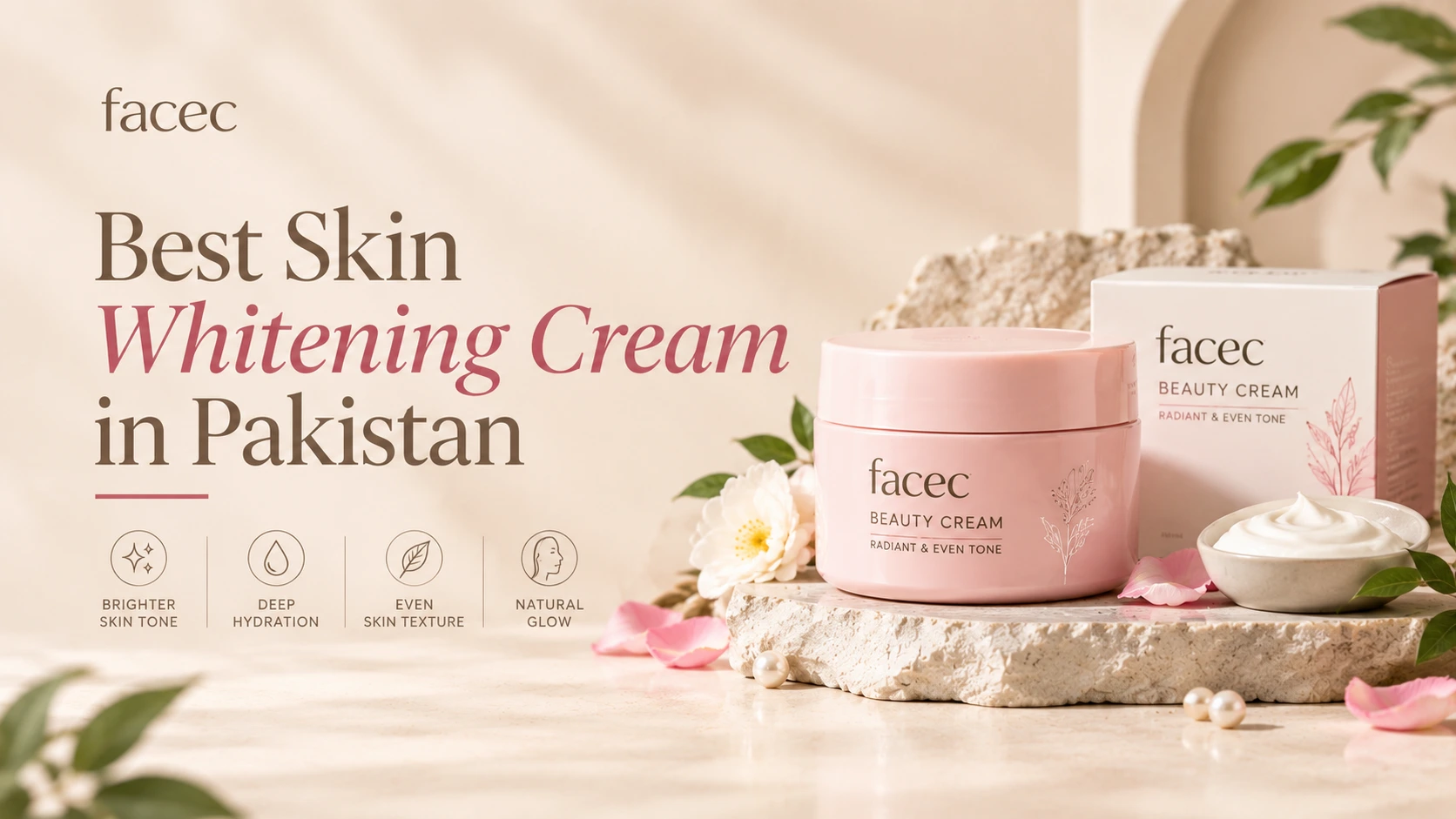
Searching for the best skin whitening cream can quickly become confusing because the Pakistani beauty market is filled with products promising brighter, fairer, clearer, or more radiant skin. But modern skincare is moving away from unrealistic overnight transformation claims and toward healthier-looking, more even-toned skin. For most people, the real goal behind “whitening” is usually to reduce the appearance of dullness, uneven tone, tanning, or dark spots while keeping the complexion looking fresh and natural.
That makes choosing the best skin whitening cream in Pakistan less about finding the strongest cream and more about finding a product that fits your skin type, concerns, routine, and expectations. A good brightening routine should support the appearance of an even complexion without unnecessarily irritating your skin. Dermatologists also emphasize that treating pigmentation starts with identifying the cause and protecting the skin from sunlight, while gentle skincare can help reduce the risk of irritation that may make discoloration worse.
What Does “Skin Whitening” Really Mean?
The phrase “skin whitening” is commonly used in beauty marketing, but it can mean several different things to different people. Some shoppers are actually looking for face brightening cream to make dull skin look fresher, while others want to reduce the appearance of tanning, dark spots, acne marks, or uneven-looking areas. These are very different goals from trying to permanently change your natural skin tone.
A more useful way to think about the best skin whitening cream is as a product that supports a brighter, more even-looking complexion while respecting your natural skin. Good skincare should not make you feel that your natural complexion needs to be replaced. The focus should be on healthier-looking skin, smoother appearance, and reducing the visual impact of discoloration rather than chasing an unrealistic shade change.
What Should the Best Whitening Cream Actually Do?
When shopping for the best whitening cream, look beyond the biggest promise printed on the front of the package. A good product should clearly explain what it is designed to address, how it should be used, and what type of skin it is suitable for. The ingredients, product instructions, manufacturer information, and overall formulation are more useful indicators than words like “instant,” “maximum,” or “overnight.”
For someone searching for face whitening, the better goal is often a brighter and more even-looking complexion. Ingredients commonly used in products targeting dark spots and uneven tone include vitamin C, azelaic acid, glycolic acid, kojic acid, and retinoids, although the right ingredient depends on the individual and the cause of the pigmentation. The American Academy of Dermatology also emphasizes that treating the underlying cause and protecting the skin from sunlight are important parts of managing dark spots.
Face Brightening Cream vs. Whitening Cream
A face brightening cream and a traditional whitening cream may sound similar, but the philosophy behind them can be quite different. Brightening products are generally positioned around improving the appearance of dullness, uneven tone, and discoloration, while some traditional whitening products may make much stronger promises about changing the overall appearance of skin color.
For modern skincare shoppers, brightening is often the more useful mindset. Instead of asking whether a cream can make your skin several shades lighter, ask whether it is designed to support a more even-looking complexion and whether the ingredients make sense for your skin concerns. This approach also helps you avoid products that rely on exaggerated promises instead of transparent formulation and realistic expectations.
How to Choose the Best Skin Whitening Cream in Pakistan
The Pakistani skincare market includes everything from pharmacy-style treatments to cosmetic creams, herbal formulas, imported products, and social-media beauty products. Because the options are so varied, your first step should be identifying what you actually want to improve. Dullness, post-acne marks, tanning, uneven-looking skin, or overall lack of radiance may each require a different approach.
You should also consider how the product fits into the rest of your skincare routine. Adding a strong brightening cream on top of several exfoliating acids, retinoids, scrubs, and other active products can make your routine unnecessarily irritating. The American Academy of Dermatology recommends paying attention to products that irritate the skin because irritation itself can contribute to dark spots, particularly in people with darker skin tones.
Best Skin Whitening Cream for Dry Skin
Finding a whitening cream for dry skin requires a slightly different approach because aggressive brightening can leave already-dry skin feeling uncomfortable. Dry skin often benefits from a routine that prioritizes moisture and a healthy skin barrier while introducing brightening products carefully. A cream that feels harsh or causes persistent tightness is unlikely to be a good long-term choice, even if its marketing sounds impressive.
When choosing a whitening cream for dry skin, look for a formula that feels moisturizing rather than stripping. Dermatologists recommend creams or ointments for dry skin and commonly point to ingredients such as glycerin, hyaluronic acid, petrolatum, shea butter, and other moisturizing ingredients. They also recommend gentle, fragrance-free products when skin is dry or sensitive.
Why Moisture Matters for a Bright Complexion
People often concentrate so heavily on brightening ingredients that they forget how much overall skin comfort affects appearance. Extremely dry or irritated skin can look dull, rough, flaky, or uneven, which can make even an expensive brightening routine look disappointing. Hydration does not magically remove pigmentation, but comfortable and moisturized skin can provide a healthier-looking base for a skincare routine.
This is particularly important when using an active product designed to target discoloration. If your skin is constantly irritated, you may end up creating another problem while trying to solve the first one. For dry skin, a balanced routine that combines a suitable brightening product with consistent moisturizing can be much more sensible than using the strongest possible cream.
Best Skin Whitening Cream for Oily Skin
Oily skin needs a different balance. A very heavy cream may feel uncomfortable, especially in a warm climate, while an overly aggressive brightening product can create dryness and irritation that makes your skin harder to manage. Someone with oily skin may prefer a lighter formulation that fits easily into a morning or evening routine without leaving an excessive greasy finish.
When looking for the best skin whitening cream for oily skin, consider the entire formula rather than focusing on one “brightening” ingredient. A practical product should work comfortably with your cleanser, moisturizer, sunscreen, and makeup if you use them. Your goal should be a clearer and more even-looking complexion without creating a routine that feels heavy or irritating.
Face Fairness Cream: Is It Still the Right Search?
The term face fairness cream remains common in South Asian beauty searches, particularly in Pakistan, but the skincare conversation is gradually becoming more focused on skin health and even tone. Many people who search for fairness products are actually trying to address dullness, tanning, pigmentation, or uneven-looking skin rather than wanting to completely change their natural complexion.
That distinction matters because realistic skincare expectations lead to better product choices. Instead of choosing a cream because it promises dramatic fairness in a few days, examine its ingredients, safety information, directions, and intended purpose. A cream that supports a gradual, healthier-looking improvement is generally a more sensible choice than one built around an extreme transformation promise.
Organic Skin Lightening Cream: Is “Organic” Automatically Better?
The phrase organic skin lightening cream can sound appealing because consumers often associate “organic” with natural, gentle, or safer skincare. However, “natural” and “organic” do not automatically mean that a product will be suitable for every skin type. Plant-derived ingredients can still irritate sensitive skin or cause allergic reactions in some people.
This is why the full ingredient list matters more than a single marketing label. Even dermatology guidance for dry and sensitive skin emphasizes choosing products according to how your skin responds rather than assuming that a particular category is automatically safer. A product should be judged by its formulation, quality, directions, transparency, and your individual tolerance—not simply by the word “organic.”
Vitamin C and Brightening Skincare
Vitamin C is one of the ingredients people commonly encounter when researching products for uneven-looking skin. Dermatologists list vitamin C among ingredients that may help fade dark spots, alongside options such as azelaic acid, glycolic acid, kojic acid, and certain retinoids. However, the right ingredient depends on the cause of the discoloration and how well your skin tolerates the product.
This means you should not choose the best whitening cream simply because it contains a trendy ingredient. Concentration, formulation, stability, complementary ingredients, application instructions, and your existing routine can all matter. A product with a sensible formulation that you can use consistently may be more useful than a stronger product that quickly causes irritation and forces you to stop.
Why Sunscreen Is Essential for Brightening
One of the biggest mistakes in a brightening routine is concentrating entirely on the cream and ignoring sun protection. Sun exposure can contribute to pigmentation and can make existing discoloration more noticeable. The American Academy of Dermatology recommends broad-spectrum SPF 30 or higher for people dealing with dark spots and emphasizes that sun protection is a central part of preventing pigmentation from worsening.
This means even the best skin whitening cream cannot do all the work by itself. If your goal is a more even-looking complexion, sunscreen should be part of the daily routine, especially when you are spending time outdoors. Think of brightening and sun protection as working together: one supports your treatment goals while the other helps reduce the environmental trigger that can make pigmentation harder to manage.
Can a Whitening Cream Remove Dark Spots?
A cream may help improve the appearance of certain types of discoloration, but it is important to understand that not every dark spot has the same cause. Acne, irritation, injuries, hormonal changes, medications, and conditions such as melasma can all contribute to pigmentation. The AAD notes that treatment depends on the underlying cause, and some forms of discoloration can take months to fade.
This is why “instant dark-spot removal” should be treated with skepticism. If a product causes irritation, it may potentially make discoloration more noticeable rather than less noticeable. For persistent, spreading, or difficult pigmentation, especially melasma, a dermatologist can help identify the cause and create a treatment plan suited to your skin.
What Makes a Skin Brightening Routine Better?
A good brightening routine is usually simpler than social media makes it look. You do not necessarily need multiple whitening creams, exfoliating masks, scrubs, serums, and spot treatments all at once. The American Academy of Dermatology has emphasized that more products are not automatically better and that consistency matters.
A practical routine might focus on gentle cleansing, a suitable brightening product, moisturizer appropriate for your skin type, and daily sunscreen. Once your skin is comfortable with that routine, you can decide whether another targeted product is actually necessary. This approach reduces the temptation to keep adding products whenever you do not see immediate results.
Signs Your Whitening Cream May Be Too Harsh
Not every reaction is a sign that a product is “working.” Burning, persistent stinging, intense redness, excessive peeling, swelling, or worsening irritation can indicate that your skin is not tolerating the product well. Continuing to use a harsh product simply because you believe it is producing stronger results can be counterproductive.
The AAD specifically notes that irritated skincare products can contribute to dark spots and recommends gentler products when irritation is occurring. If a product repeatedly burns or stings, stopping it and reassessing the routine is more sensible than increasing the amount or frequency.
Be Careful With Powerful Whitening Claims
The search for the best skin whitening cream can expose consumers to products making extreme claims such as instant fairness, dramatic shade changes, or overnight transformation. These promises deserve careful scrutiny. The FDA warns that some skin-lightening products have been found to contain harmful substances such as mercury or undeclared hydroquinone, and it advises consumers to check labels and avoid unsafe products.
This is one of the strongest reasons to choose products from transparent, reputable sources. Look for proper packaging, clear ingredient information, directions for use, manufacturer details, and realistic claims. Avoid products with suspicious labeling or products that refuse to clearly disclose what is inside the formula. Your skin should never be the testing ground for an unknown whitening product.
What About Hydroquinone?
Hydroquinone is a medically recognized ingredient for certain pigmentation concerns, but it should not be treated as an ordinary cosmetic ingredient to use casually. The American Academy of Dermatology includes hydroquinone among treatments dermatologists may prescribe for conditions such as melasma, while noting that treatment plans should be individualized.
The FDA also warns about unauthorized over-the-counter skin-lightening products containing hydroquinone and reports serious adverse effects from some products. This does not mean every medical use of hydroquinone is unsafe; it means consumers should distinguish between dermatologist-guided treatment and randomly purchasing an unverified whitening cream online.
How to Choose a Whitening Cream for Pakistani Weather
Pakistan’s climate varies considerably by region and season, but heat, sun exposure, humidity, dust, and long outdoor days can all influence how comfortable a skincare product feels. A cream that is perfect for a dry winter routine may feel too heavy during a hot summer, while a lightweight product may not provide enough moisture for someone with naturally dry skin.
Your best whitening cream should therefore be comfortable enough to use consistently in your normal lifestyle. Consider whether the texture works with your skin type, whether you spend significant time outdoors, how frequently you wear makeup, and whether your routine already contains active ingredients. Choosing a product that fits real life is usually better than buying something that looks impressive but ends up sitting unused on your shelf.
Best Whitening Cream for a Simple Morning Routine
For a morning routine, keep the order straightforward. Start with cleansing according to your skin’s needs, apply your brightening treatment or cream as directed, moisturize if needed, and finish with broad-spectrum sunscreen. Keeping the routine simple makes it easier to use consistently and easier to identify which product may be causing an unwanted reaction.
If your cream already contains multiple active ingredients, avoid automatically adding another brightening serum simply because you want faster results. The goal is not to create the longest skincare routine. It is to create a routine your skin can tolerate and that you can maintain over time.
Best Whitening Cream for an Evening Routine
Evening skincare can be a useful time for targeted treatments because you are not applying makeup immediately afterward. However, this does not mean you should combine every active ingredient you own. If you are using a brightening cream alongside retinoids, acids, or exfoliating products, consider whether your routine is becoming unnecessarily aggressive.
A calmer evening routine can be particularly useful for dry or sensitive skin. Gentle cleansing followed by a suitable brightening product and a moisturizing cream may be enough. If the skin becomes tight, flaky, or irritated, simplify further rather than treating the discomfort as evidence that the product is working harder.
How Long Does Brightening Take?
One of the biggest misconceptions surrounding whitening products is the expectation of immediate results. Pigmentation develops for different reasons, and the time required for visible improvement can vary considerably. The AAD notes that some dark spots may take months to fade after the underlying trigger is addressed, particularly when pigmentation is deeper.
That is why patience matters. A realistic skincare goal is gradual improvement in the appearance of uneven tone, dullness, or discoloration. Taking progress photos under similar lighting can be more useful than checking your face in a different mirror every day and expecting dramatic overnight changes.
Who Should Avoid Experimenting With Strong Whitening Products?
If your skin is already irritated, peeling, sunburned, or reacting to other skincare products, introducing a strong whitening cream is generally not a smart time to experiment. Your first priority should be getting your skin comfortable again rather than immediately adding another active product.
People dealing with persistent melasma, unexplained pigmentation, severe acne-related marks, or recurring irritation may also benefit from professional dermatology advice. Some pigmentation conditions require a more specific diagnosis and treatment plan, particularly because overly aggressive treatment can sometimes make discoloration worse in darker skin tones.
The Modern Meaning of “Bright, Beautiful Skin”
Beauty standards are changing, and skincare is gradually moving toward a healthier definition of radiance. Bright-looking skin does not have to mean extremely pale skin, and an even-looking complexion does not require rejecting your natural skin tone. A polished complexion can simply mean skin that looks healthy, comfortable, smooth, hydrated, and more evenly toned.
That is the mindset worth carrying into your search for the best skin whitening cream in Pakistan. Instead of asking, “Which cream can make me fair overnight?” a more useful question is, “Which product can help my skin look brighter and more even while keeping my routine gentle and sustainable?” That shift can lead to much better product choices.
Final Thoughts
Finding the best skin whitening cream is not about finding the strongest formula or the product with the biggest fairness promise. It is about finding a cream that matches your skin type, your pigmentation concerns, your routine, and your expectations. For many people, the real goal is a brighter-looking and more even complexion rather than changing their natural skin tone.
Whether you are searching for the best whitening cream, face whitening, a face brightening cream, whitening cream for dry skin, a face fairness cream, or an organic skin lightening cream, look beyond the marketing name. Check the ingredients, follow the directions, protect your skin from the sun, and pay attention to how your skin responds.
The best brightening routine is not the one that promises the fastest transformation.
It is the one that helps you achieve healthy-looking, radiant, even-toned skin without compromising your skin’s comfort.
Brighten your skin. Protect your skin. Love your natural tone.